


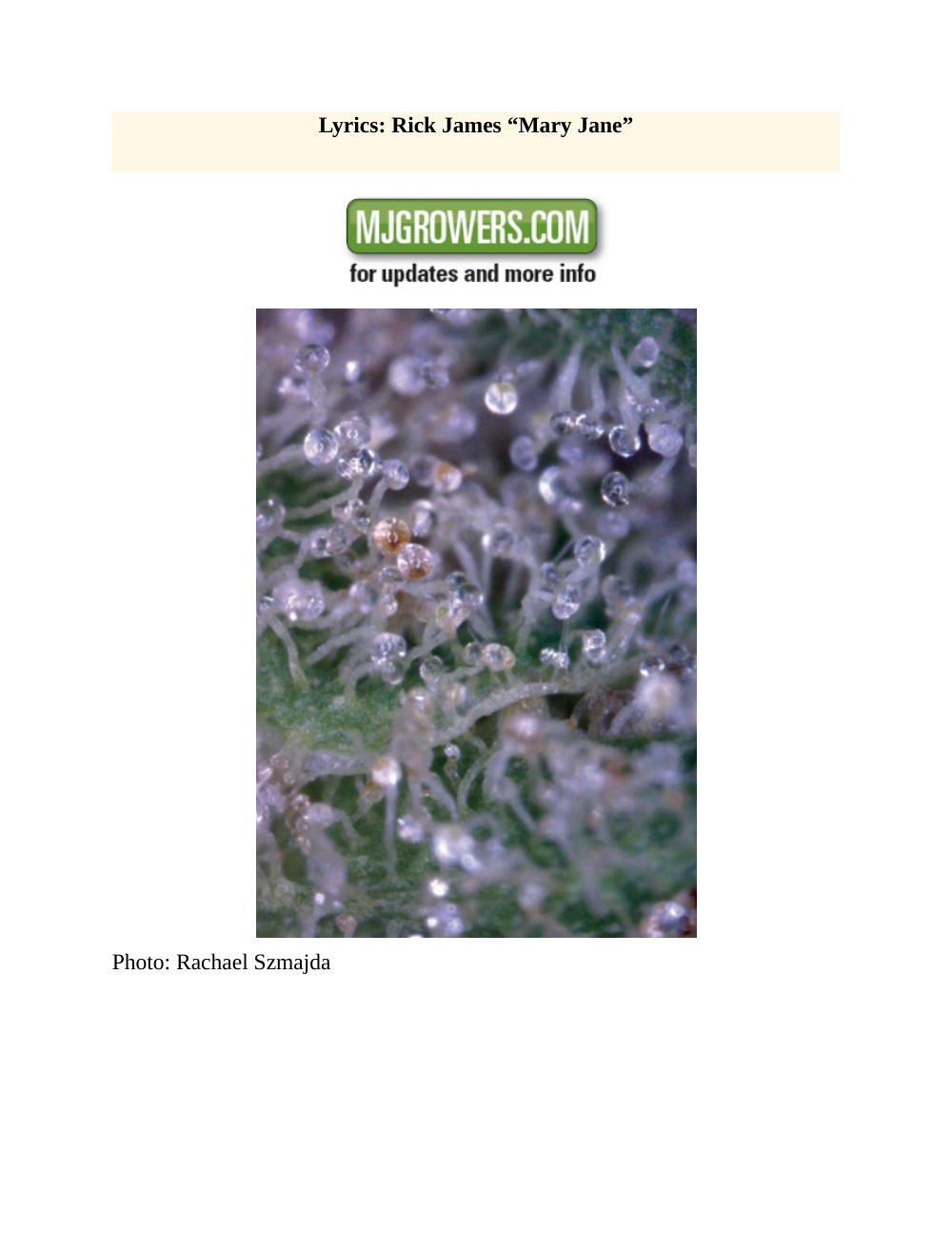
A crowded resin

Count
The plant holds more than 400 compounds, including dozens of cannabinoids besides THC
Not just THC
CBD and many lesser cannabinoids ride along in the same resin
Terpenes too
Aroma molecules travel with the cannabinoids and change the character of the result
Mix matters
Heating, burning, or eating the same flower can volatilize a different slice of that mix
How compounds leave the plant
Lungs
Inhaled vapor or smoke moves cannabinoids and terpenes across lung lining into blood quickly
Gut
Eaten material goes through stomach and intestine, then the liver, which converts much of the THC to 11-hydroxy-THC
Delay
Gut uptake is slower and less efficient, so onset can lag 30 to 90 minutes
Skin
Topical use is less common and does not follow the same fast lung path
Heat without a full burn
Combustion
Open burning makes reactive oxygen species that can irritate mouth, throat, and lungs
Vapor path
Heating just below ignition lifts the lighter compounds without lighting the tissue on fire
Odor
Controlled heat usually leaves less leftover smell than smoke
Different bouquet
The volatilized mix may not match the mix from a burning joint
Evolution and cultivation
Defense theory
THC may have evolved to deter animals that would eat the plant, perhaps by scrambling memory of the spot
Common tactic
Many plants make animal-active chemicals. Humans later selected those plants
Old crop
Cannabis was used in China and India thousands of years ago and later entered Western pharmacopeias
Human spread
People planting the crop worldwide gave the plant a range it could not have walked to on its own